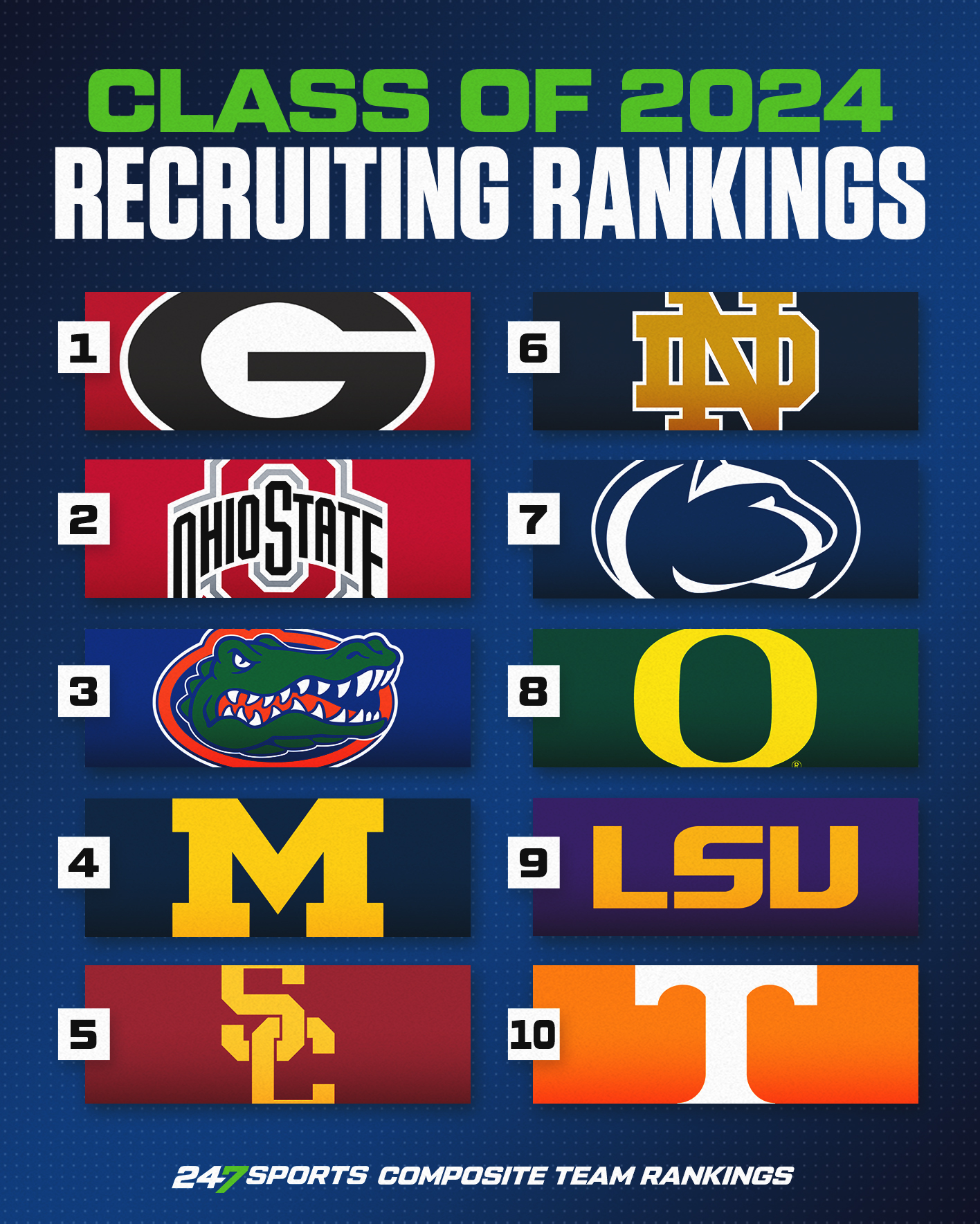
Decoding College Football Team Recruiting Rankings
Lead: In the high-stakes world of college football, recruiting rankings serve as an early barometer for future success, yet their true meaning extends far beyond simple star ratings. The practice of decoding college football team recruiting rankings is an increasingly vital skill for fans, analysts, and even program staff, offering deeper insights into a team's potential trajectory, strategic vision, and the evolving landscape of talent acquisition. This article delves into the intricacies of these rankings, exploring why they matter, how to interpret them effectively, and what they reveal about the sport's competitive future.
What Is Decoding College Football Team Recruiting Rankings?
At its core, decoding college football team recruiting rankings involves looking beyond the numerical aggregate scores and individual star ratings assigned to incoming prospects. These rankings, compiled by major recruiting services like 247Sports, Rivals, On3, and ESPN, synthesize evaluations of high school athletes into a composite score for each university's recruiting class. However, true understanding requires a more granular approach:
- Positional Needs: Assessing whether a class addresses specific roster gaps, such as a need for offensive linemen or defensive backs.
- Player Development: Recognizing that a three-star recruit under the right coaching and development can outperform a higher-rated prospect.
- Fit for Scheme: Evaluating if a recruit's skill set aligns with the offensive or defensive schemes employed by the coaching staff.
- Geographic Strategy: Understanding a program's success in recruiting its home state versus national pulls, indicating recruiting prowess and appeal.
The process of decoding transforms raw data into strategic intelligence, revealing how well a team is building for the future, rather than just how many highly-rated players it has signed.
Why Decoding College Football Team Recruiting Rankings Is Trending
The heightened interest in decoding recruiting rankings can be attributed to several factors reshaping the college football landscape:
- Transfer Portal and NIL: The advent of the transfer portal and Name, Image, and Likeness (NIL) opportunities has created a dynamic and often unpredictable environment. Decoding helps identify programs adept at not only bringing in top high school talent but also retaining it and supplementing it with impactful transfers.
- Early Indicators of Success: While not foolproof, consistently high-ranking recruiting classes often correlate with on-field success several years down the line, fueling fan engagement and generating excitement for future seasons.
- Coaching Analytics: Coaches and athletic departments utilize these detailed insights to assess their own recruiting strategies, identify areas for improvement, and benchmark against competitors.
- Increased Media Scrutiny: Major sports media outlets and dedicated recruiting sites offer extensive coverage, prompting a more informed fanbase eager to understand the nuances behind the headlines.
This trend reflects a broader shift towards data-driven analysis in sports, where every piece of information is scrutinized for competitive advantage.
Dates, Locations, or Key Details
The college football recruiting cycle is a year-round endeavor culminating in two significant periods:
- Early Signing Period (Mid-December): The majority of top prospects sign their National Letters of Intent during this window, effectively solidifying most recruiting classes.
- National Signing Day (Early February): While less dramatic than in previous years, this date still sees some key commitments and finalizations for remaining open spots.
Major recruiting services aggregate data from numerous sources, including prospect camps (e.g., The Opening, Under Armour All-America Game), high school game film, and direct evaluations by scouts. Key figures in this ecosystem include the lead evaluators from the major services (e.g., Steve Wiltfong at 247Sports, Mike Farrell formerly of Rivals), college recruiting coordinators, and the prospects themselves, often from high school football hotbeds across Florida, Texas, California, and Georgia.
How To Get Involved or Access Decoding College Football Team Recruiting Rankings
For those interested in delving deeper into recruiting rankings, several avenues provide comprehensive access and analysis:
- Subscribe to Recruiting Services: Platforms like 247Sports, Rivals, and On3 offer premium content, including detailed player profiles, commitment analysis, and expert forums.
- Follow Recruiting Analysts on Social Media: Many top analysts provide real-time updates, insights, and predictions on platforms such as X (formerly Twitter).
- Read In-Depth Program-Specific Coverage: Many college football programs have dedicated beat writers and fan sites that provide localized, nuanced coverage of their team's recruiting efforts.
- Attend Recruiting-Focused Podcasts and Webcasts: Numerous media outlets host shows dedicated solely to recruiting news, offering discussions and interviews with industry experts.
What To Expect
- A deeper appreciation for the strategic planning involved in roster building.
- An understanding that star ratings are merely a starting point, not a definitive prediction of success.
- Insight into how coaching changes, NIL, and the transfer portal continuously reshape recruiting priorities.
- The ability to identify "hidden gems" or underrated prospects who fit a program's specific needs.
The Broader Impact of Decoding College Football Team Recruiting Rankings
The detailed analysis involved in decoding recruiting rankings extends beyond fan speculation, significantly influencing coaching tenures, program trajectories, and the overall competitiveness of the sport. A program's consistent ability to recruit and develop talent is a direct indicator of its health and potential. Successful recruiting classes bolster fan confidence, attract media attention, and ultimately contribute to on-field victories, impacting everything from bowl game appearances to national championship contention. This detailed scrutiny also fuels discussions around coaching performance and the efficacy of recruiting strategies.
Recruiting is the lifeblood of any college football program. The teams that consistently decode the talent landscape best, identifying not just the five-stars but also the perfect fits for their system, are the ones that build sustainable success, observes a long-time college football scout. Its about more than just collecting talent; its about cultivating it.
Economic or Social Insights
The recruiting industry itself has become a significant economic niche. Companies like 247Sports and On3 generate substantial revenue through subscriptions, advertising, and partnerships, reflecting the high demand for information on future college stars. Furthermore, the Name, Image, and Likeness (NIL) market has added a new economic layer, with prospects often considering potential NIL opportunities when selecting a school. Programs that effectively manage their NIL collectives and present attractive financial opportunities can gain a significant recruiting advantage. This financial element, alongside the immense social capital derived from being a highly-ranked prospect, underscores the vast ecosystem surrounding college football recruiting. Insights from publications like Sports Business Journal frequently highlight the growing commercialization and professionalization of the recruiting landscape.
Frequently Asked Questions About Decoding College Football Team Recruiting Rankings
- What is decoding college football team recruiting rankings? It is the process of critically analyzing the aggregated star ratings and class rankings of college football prospects to understand a team's actual roster building strategy, considering factors like positional needs, scheme fit, and development potential, rather than simply relying on overall numerical scores.
- Why is decoding college football team recruiting rankings popular? Its popularity stems from the desire to gain deeper insights into future team performance, especially given the dynamic nature of the transfer portal and NIL. It allows fans and analysts to understand the strategic thinking behind a recruiting class and anticipate a program's long-term success.
- How can people participate or experience it? Individuals can engage by subscribing to major recruiting services, following expert analysts on social media, reading in-depth articles on team-specific recruiting, and listening to specialized podcasts that break down commitments and evaluations.
- Is it legitimate or official? The underlying recruiting rankings are compiled by legitimate and recognized media organizations, making the data itself official in its presentation. The "decoding" aspect is an analytical approach taken by informed observers, coaches, and media, building upon these official data points.
- What can attendees or users expect? Users can expect to develop a more nuanced perspective on recruiting, moving beyond basic star ratings to appreciate the complex variables that contribute to a successful college football roster, including coaching philosophy and player development.
Conclusion
In an era where every advantage counts, decoding college football team recruiting rankings offers a critical lens through which to view the sport's competitive future. Its a testament to the fact that success on the gridiron is not merely about accumulating talent, but strategically deploying and developing it. By understanding the intricate layers beneath the surface of recruitment data, observers can gain a profound appreciation for the art and science of building a championship-caliber college football program. The journey from high school prospect to collegiate star is rarely linear, and the ability to interpret the signals hidden within recruiting rankings provides an invaluable compass.
Call to Action: To deepen your understanding of this vital aspect of college football, explore detailed breakdowns from reputable recruiting services like 247Sports, Rivals, and On3, and follow leading analysts to stay ahead of the curve as the next recruiting cycle unfolds.