Oj Simpson Case Unveiling The Crime Scene Photos
Lead: The O.J. Simpson murder trial captivated the world in the mid-1990s, becoming one of the most publicized legal dramas in history. Decades later, the indelible images from the crime scenes particularly the grim photos of Nicole Brown Simpson and Ronald Goldman continue to be a focal point of discussion, study, and morbid fascination. The ongoing interest in the OJ Simpson case unveiling the crime scene photos stems from their crucial role in the prosecution's narrative, their graphic nature, and their lasting influence on public perception and the true crime genre. This article delves into the significance of these pivotal visual artifacts, examining their background, impact, and why they remain relevant in contemporary discourse.
What Is the OJ Simpson Case Unveiling the Crime Scene Photos?
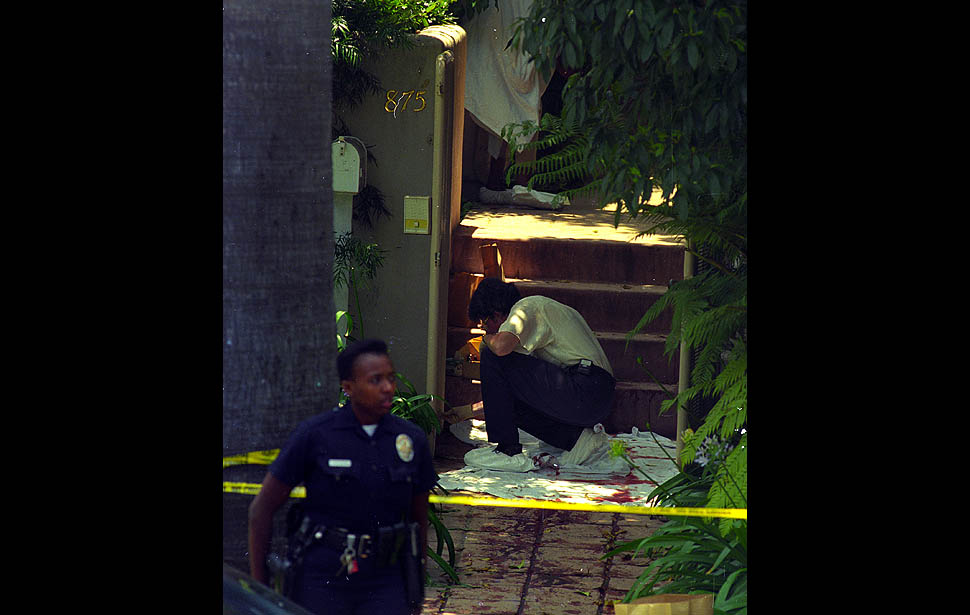
The core of this topic revolves around the photographic evidence collected from the brutal murders of Nicole Brown Simpson and Ronald Goldman on June 12, 1994, in Brentwood, Los Angeles. These images, meticulously cataloged by forensic teams, depicted the victims, the murder weapon (initially thought to be a knife, though never definitively found or proven), and various details of the crime scene at 875 South Bundy Drive. The "unveiling" refers not to a singular recent event, but to the recurring presentation and analysis of these graphic photos in documentaries, historical accounts, legal analyses, and media retrospectives that keep the case in the public consciousness. These photos served several critical functions:
- Evidence Presentation: Central to the prosecution's attempt to establish O.J. Simpson's guilt by illustrating the brutality of the crime and connecting him to the scene.
- Public Understanding: Provided a stark visual representation of the heinous nature of the murders for the jury and, through media leaks and eventual public release, for the world.
- Forensic Detail: Documented blood spatter patterns, defensive wounds, and other critical forensic data used by experts.
Why OJ Simpson Case Unveiling the Crime Scene Photos Is Trending
The enduring fascination with the O.J. Simpson trial ensures that its key elements, including the crime scene photos, continue to resurface and trend. Several factors contribute to this sustained interest:
Firstly, the case itself remains one of the most polarizing and debated legal events in U.S. history, with public opinion still divided on Simpson's guilt or innocence despite his civil liability finding. The photos serve as stark reminders of the victims and the brutality of the act, constantly drawing renewed attention whenever the case is revisited. Secondly, the boom in true crime documentaries, podcasts, and series has breathed new life into historical cases. High-profile productions, such as "O.J.: Made in America" and "The People v. O. J. Simpson: American Crime Story," often feature or reference these photos, re-contextualizing them for new generations of viewers. Lastly, the advent of digital media and social platforms allows for easier access and discussion of historical legal materials, enabling a continuous "unveiling" and re-examination of evidence previously seen only by limited audiences.
Dates, Locations, or Key Details
The events surrounding the OJ Simpson case unveiling the crime scene photos are anchored by specific dates and locations that define the narrative:
- June 12, 1994: The date Nicole Brown Simpson and Ronald Goldman were brutally murdered outside Nicole's condominium at 875 South Bundy Drive in the Brentwood neighborhood of Los Angeles.
- January 24, 1995 October 3, 1995: The timeframe of the criminal trial against O.J. Simpson, where the crime scene photos were first presented as crucial evidence.
- Los Angeles County Superior Court: The venue where the trial took place, making the images a central part of courtroom proceedings.
- Key Figures: The victims Nicole Brown Simpson and Ronald Goldman; O.J. Simpson as the accused; lead prosecutors Marcia Clark and Christopher Darden; defense attorneys Johnnie Cochran, Robert Shapiro, and F. Lee Bailey.
These details provide the necessary historical context for understanding the gravity and legal significance of the crime scene photos within the broader case.
How To Understand or Access OJ Simpson Case Crime Scene Photos Information
While direct access to unredacted crime scene photos is typically restricted to official legal archives or highly specialized forensic studies, the public can engage with the material and its implications through several avenues:
- Documentaries and Docuseries: Watch critically acclaimed productions like "O.J.: Made in America" (ESPN Films) or "The People v. O. J. Simpson: American Crime Story" (FX), which often discuss and sometimes display censored or recreated versions of the evidence.
- Books and Journalism: Read investigative books, journalistic accounts, and legal analyses of the trial, many of which describe the photos in detail or feature ethically presented imagery.
- Archival News Footage: Consult online archives of major news organizations (e.g., CNN, ABC News) from the 1990s, which often reported extensively on the evidence, including descriptions and some visual representations.
- Legal Case Studies: Explore academic and legal journals that analyze the evidence presentation, forensic science, and legal strategies employed during the trial.
What To Expect
- A Glimpse into Forensic Detail: The photos offer insights into the meticulous work of crime scene investigators and the types of evidence critical in major criminal cases.
- Emotional Impact: Viewing or discussing these images can evoke strong emotional responses due to the brutal nature of the crime and the tragic loss of life they depict.
- Historical Context: They provide a direct link to a pivotal moment in American legal and cultural history, influencing public discourse on race, justice, and celebrity.
- Understanding of Legal Strategy: Analyzing how the photos were used by both prosecution and defense reveals the complexities of trial strategy and evidence interpretation.
The Broader Impact of OJ Simpson Case Unveiling the Crime Scene Photos
The "unveiling" and subsequent discussion of the O.J. Simpson crime scene photos had a profound impact across multiple spheres. Culturally, they solidified the public's fascination with true crime, establishing a benchmark for how such events would be covered by media. The case set new precedents for the intersection of celebrity, media scrutiny, and the justice system, with the visual evidence becoming an almost iconic, albeit disturbing, part of the narrative. From a legal standpoint, the intense scrutiny of the photos, and indeed all forensic evidence, sparked debates about the reliability of crime scene processing, chain of custody, and the presentation of complex scientific data to a jury. The graphic nature of the photos also raised questions about journalistic ethics and the balance between informing the public and exploiting tragedy.
The crime scene photos were not just pieces of evidence; they were a window into the brutality of the crime that challenged the nation's perceptions and forced a confrontation with uncomfortable truths, says a legal analyst reflecting on the trial's enduring legacy.
Economic or Social Insights
The O.J. Simpson case, and the detailed discussions surrounding its evidence including the crime scene photos, inadvertently fueled the nascent true crime industry. Media outlets saw unprecedented ratings, and the market for true crime books, documentaries, and even forensic consulting surged. The publics insatiable appetite for the specifics of the case, including its most graphic details, demonstrated a significant commercial viability for narrative non-fiction centered on real-life criminality. This phenomenon, highlighted by sources like Business Insider and various media studies, paved the way for the multi-billion-dollar true crime genre we see today, where detailed re-examinations of evidence are a key draw for audiences. Socially, the constant re-examination of these images continues to provoke discussions on racial justice, police accountability, and the influence of wealth and fame within the judicial system.
Frequently Asked Questions About OJ Simpson Case Unveiling the Crime Scene Photos
- What is oj simpson case unveiling the crime scene photos? This refers to the ongoing presentation and analysis of the photographic evidence from the murder scenes of Nicole Brown Simpson and Ronald Goldman, central to the O.J. Simpson murder trial. It encompasses how these images have been shown, discussed, and re-examined in media, legal contexts, and public discourse since the original trial.
- Why is oj simpson case unveiling the crime scene photos popular? The enduring popularity stems from the case's high-profile nature, its historical significance, the brutal details depicted in the photos, and the continuing public fascination with true crime narratives and legal mysteries, often amplified by new documentaries and media coverage.
- How can people participate or experience it? Individuals can engage with the topic by watching acclaimed documentaries, reading historical accounts and legal analyses of the trial, and following discussions in reputable news outlets and academic forums that revisit the case's evidence.
- Is it legitimate or official? The crime scene photos themselves are official legal exhibits. The "unveiling" or discussion of these photos occurs through legitimate journalistic, documentary, and academic channels that adhere to ethical guidelines regarding sensitive content and historical accuracy.
- What can attendees or users expect? Those engaging with information about these photos can expect to encounter graphic descriptions and imagery, a deep dive into forensic evidence, insights into the legal strategies of the trial, and an understanding of the profound cultural and social impact of the O.J. Simpson case.
Conclusion
The OJ Simpson case unveiling the crime scene photos represents more than just the presentation of evidence; it signifies a continuous engagement with a pivotal moment in American history. These images, raw and uncompromising, serve as a constant reminder of the brutal crime at the heart of the "Trial of the Century," shaping legal discussions, influencing media coverage, and fueling the public's enduring fascination with true crime. Their recurring presence in documentaries, books, and public discourse ensures that the complexities of the caseand the tragic lives it touchedare never truly forgotten.
Call to Action: Readers interested in a deeper understanding of the O.J. Simpson case and its evidentiary details are encouraged to explore reputable documentaries, scholarly legal analyses, and historical news archives to gain a comprehensive perspective on this landmark event.