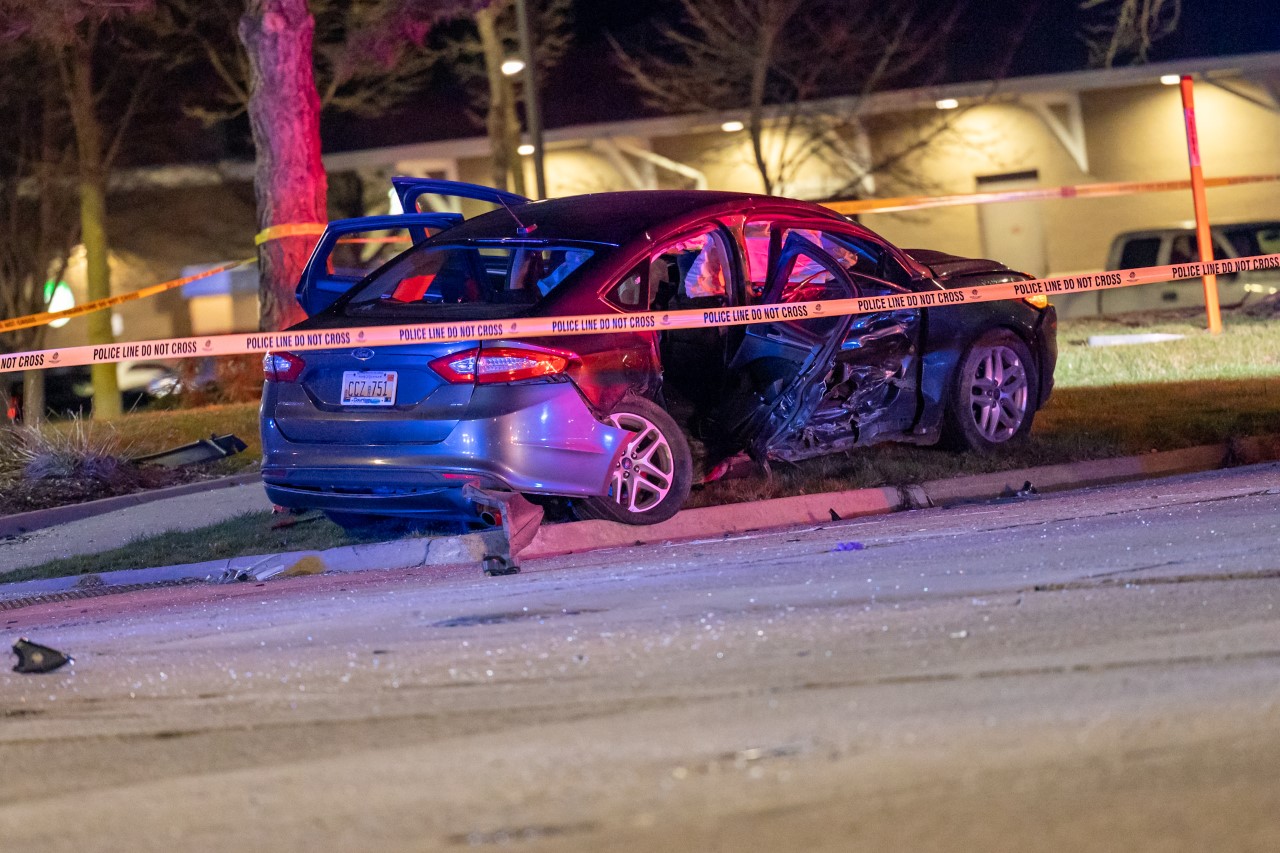
Lansing Mi Car Accidents Your Guide To Safety Legal Steps
Lead: Navigating the aftermath of a car accident can be a complex and stressful experience, particularly in bustling urban areas like Lansing, Michigan. Understanding the immediate safety protocols and the subsequent legal steps is crucial for anyone involved in such an incident. This comprehensive guide aims to equip residents and visitors with essential knowledge, offering clarity on what to do directly after a collision, how to manage insurance claims under Michigan's unique no-fault system, and when to seek professional legal counsel. The information presented here serves as a vital resource for ensuring safety, protecting rights, and efficiently managing the often-overwhelming process following a motor vehicle accident in the capital city.
What Is Lansing MI Car Accidents
The term "Lansing MI car accidents: your guide to safety and legal steps" refers to a critical informational resource designed to assist individuals involved in vehicular collisions within Lansing, Michigan. It encompasses a spectrum of advice, from immediate on-scene actions to long-term legal considerations. The guide's core focus is on two primary aspects:
- Safety Steps: Practical advice for ensuring personal safety and the safety of others at the accident scene, including first aid, securing the area, and coordinating with emergency services.
- Legal Steps: Detailed information on reporting requirements, documentation, understanding Michigan's no-fault insurance laws, dealing with insurance companies, and the process of pursuing personal injury claims or other legal remedies.
This resource acknowledges the specific legal framework of Michigan, which operates under a no-fault system, significantly impacting how accident claims are handled compared to at-fault states. It provides a structured approach to what can otherwise be a chaotic situation, aiming to empower individuals with knowledge to make informed decisions.
Why Lansing MI Car Accidents
The consistent relevance and critical nature of guidance on Lansing car accidents stem from several factors, making it an ever-important topic. The constant flow of traffic through Lansing's urban and suburban roadways, including major arteries like I-96, I-496, and US-127, inevitably leads to motor vehicle incidents. Each year, thousands of accidents occur across Michigan, and Lansing, as a significant population hub, contributes substantially to these figures. The complexity of Michigan's no-fault insurance system means that understanding the specific rules for medical expenses, wage loss, and property damage is not intuitive for most citizens. Without proper guidance, individuals risk forfeiting crucial benefits, delaying necessary medical treatment, or making mistakes that could compromise potential legal claims. The demand for clear, accessible information on this subject remains consistently high, driven by the practical needs of a population that frequently encounters traffic incidents.
Dates, Locations, or Key Details
While "Lansing MI car accidents: your guide to safety and legal steps" is not tied to a specific event date, its relevance is constant, reflecting ongoing road safety concerns and legal frameworks. Key details include:
- High-Incidence Areas: Lansing's busy intersections and highways are frequent sites for collisions. Common areas include parts of Michigan Avenue, Saginaw Street, Cedar Street, and major interchanges on the interstate system. High traffic volumes during peak commuting hours contribute significantly to incident frequency.
- Reporting Timeframes: Michigan law generally requires accidents resulting in injury, death, or property damage exceeding $1,000 to be reported to the police. This report is crucial for insurance claims.
- Statute of Limitations: Legal actions related to car accidents, such as personal injury claims, typically have a statute of limitations, often three years in Michigan, from the date of the accident. This timeframe can vary depending on the specific claim, making timely action essential.
Understanding these timeframes and key locations can help residents be more prepared and proactive, both in preventing accidents and in responding effectively if one occurs.
How To Navigate a Lansing MI Car Accident
Responding effectively to a car accident in Lansing involves a series of critical steps designed to ensure safety, document the incident, and protect legal rights. A structured approach can significantly reduce stress and improve outcomes:
- Ensure Safety and Assess Injuries: Move vehicles to a safe location if possible and check for injuries among all parties involved. Call 911 immediately for medical assistance or if the scene is unsafe.
- Contact Law Enforcement: Report the accident to the Lansing Police Department or Michigan State Police, even if it seems minor. A police report provides an official record of the incident.
- Exchange Information: Collect contact details, insurance information, and vehicle registration from all drivers involved. Note down license plate numbers.
- Document the Scene: Use a smartphone to take photos and videos of vehicle damage, the surrounding area, road conditions, traffic signs, and any visible injuries. Gather contact information for any witnesses.
- Seek Medical Attention: Even if injuries are not immediately apparent, it is advisable to be examined by a medical professional. Some injuries, like whiplash or concussions, may have delayed symptoms.
- Notify Your Insurance Company: Report the accident to your own insurance provider as soon as possible, regardless of who was at fault, due to Michigan's no-fault system.
- Consult with a Legal Professional: Especially if injuries are sustained, consulting an attorney specializing in Michigan car accident law can clarify rights, explain the nuances of the no-fault system, and help navigate claims for medical expenses, lost wages, and pain and suffering.
What To Expect After a Lansing Car Accident
- Immediate Aftermath: Expect interaction with emergency services (police, paramedics) at the scene. An official accident report will be filed, which is critical for subsequent steps.
- Insurance Communication: Expect communication from your own insurance company and potentially other involved parties' insurers. Be cautious about giving recorded statements without legal counsel, especially to other insurance providers.
- Medical Treatment and Recovery: Prepare for medical evaluations, diagnostic tests, and potentially ongoing treatment for any injuries sustained. Keep detailed records of all medical appointments and expenses.
- Potential Legal Process: If serious injuries occur, a legal claim may be initiated to recover damages beyond what no-fault insurance covers. This could involve negotiations with insurance companies or, in some cases, litigation.
- Vehicle Repair or Replacement: Your vehicle's damage will be assessed by an adjuster, leading to repair arrangements or a total loss declaration and settlement.
The Broader Impact of Lansing MI Car Accidents
Car accidents in Lansing have far-reaching implications that extend beyond the immediate individuals involved, influencing community safety, public health, and the local economy. From a public safety perspective, accident data informs city planning for road improvements, traffic signal optimization, and educational campaigns aimed at reducing common causes of collisions, such as distracted driving or speeding. The prevalence of accidents also strains local emergency services, requiring rapid deployment of police, fire, and ambulance units. Economically, car accidents contribute to rising insurance premiums for all drivers in the region, impact healthcare systems through emergency room visits and rehabilitation needs, and can lead to productivity losses due to injuries and time away from work. The legal sector also experiences significant activity, with personal injury attorneys playing a crucial role in helping individuals navigate the complexities of Michigan's no-fault system and seek appropriate compensation. This collective impact underscores the necessity of robust safety measures and clear guidance for residents.
Preparedness is the best defense against the unexpected. Understanding your rights and responsibilities immediately after a car accident in Lansing is not just about legal compliance; its about safeguarding your future and ensuring peace of mind during a critical time.
Economic or Social Insights
The economic and social landscape of Lansing is demonstrably affected by car accidents. Annually, Michigan's auto insurance industry processes billions in claims, with a significant portion stemming from urban centers like Lansing. This contributes to the state's notoriously high auto insurance rates, which residents often cite as a major financial burden. Socially, the ripple effect of accidents includes increased traffic congestion, environmental impacts from damaged vehicles and cleanup efforts, and the psychological toll on victims, their families, and even first responders. Local businesses, from auto repair shops to medical clinics and legal practices, also see direct economic activity linked to accident recovery services. Media outlets frequently cover significant accidents, highlighting public safety concerns and often prompting discussions about infrastructure improvements or stricter enforcement of traffic laws, as noted by local news reporting on traffic trends and road safety initiatives.
Frequently Asked Questions About Lansing MI Car Accidents
- What is Lansing MI car accidents: your guide to safety legal steps? This is an informational resource offering comprehensive advice for individuals involved in car accidents in Lansing, Michigan, covering immediate safety actions, documentation requirements, and subsequent legal procedures under Michigan's specific no-fault insurance system.
- Why is this guide important? It is crucial because car accidents are common, and the legal and insurance processes in Michigan are complex. The guide helps individuals protect their safety, understand their rights, fulfill legal obligations, and navigate claims efficiently to ensure they receive appropriate medical care and compensation.
- How can people prepare for or respond to a car accident? Preparation involves understanding basic safety protocols and having essential documents readily available. Responding includes securing the scene, contacting emergency services, exchanging information, documenting damage, seeking medical attention, notifying insurance, and considering legal consultation.
- Is Michigan's no-fault system complicated? Yes, Michigan's no-fault system can be intricate. It ensures that your own insurance company pays for your medical expenses and a portion of lost wages regardless of who caused the accident. However, pursuing claims for pain and suffering or property damage not covered by no-fault has specific thresholds and procedures that often require legal expertise.
- What can attendees or users expect from following this guide? Individuals can expect a clearer understanding of how to react safely and legally after an accident, what information to gather, when to contact various professionals (police, doctors, lawyers), and a framework for managing the recovery and claims process, thereby reducing confusion and potential errors.
Conclusion
The experience of a car accident in Lansing, Michigan, can be disorienting and challenging, but informed action can significantly mitigate negative outcomes. This guide underscores the paramount importance of immediate safety, meticulous documentation, and a thorough understanding of Michigans distinct no-fault insurance landscape. By being prepared and knowing the essential safety and legal steps, individuals can protect their well-being, financial stability, and legal rights. The information provided aims to transform a potentially overwhelming situation into a manageable process, ensuring that those affected can navigate the aftermath with confidence and clarity.
Call to Action: Readers are encouraged to familiarize themselves thoroughly with these guidelines, keep emergency contact information readily accessible, and in the event of an accident, promptly seek professional medical attention and consider consulting with a qualified Michigan car accident attorney to understand all available legal options and ensure full protection of their interests.