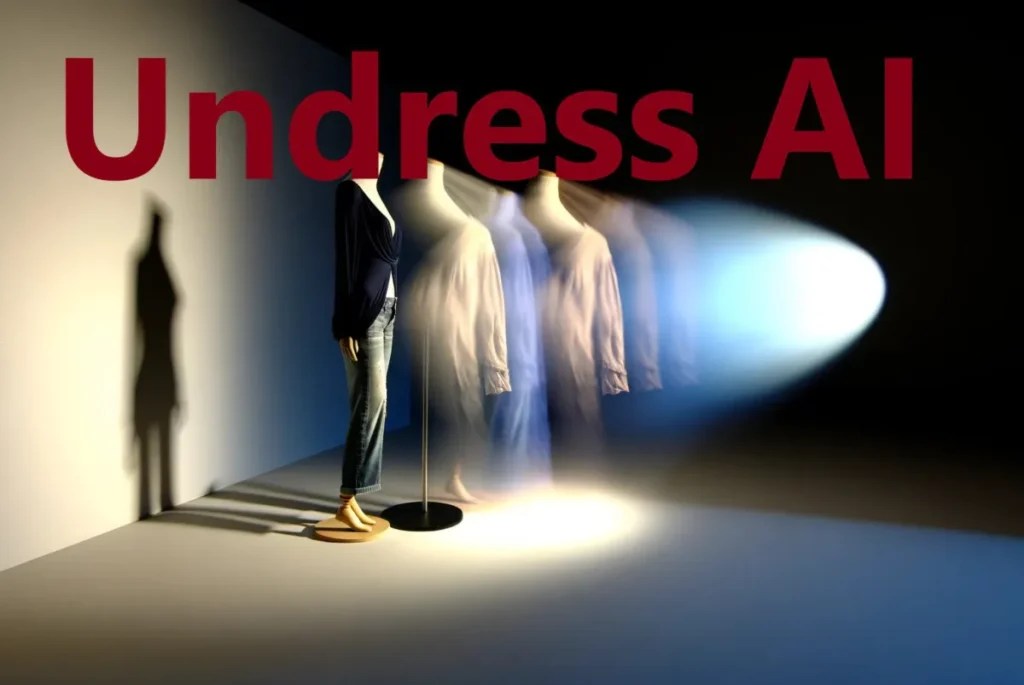
Unmasking The Future Virtual Fashion And Personalization With Undress Apps
Lead: The digital frontier continues to reshape established industries, and fashion is no exception. A burgeoning trend is currently unmasking the future virtual fashion and personalization with undress apps, marking a significant shift in how individuals interact with clothing and express their style. This evolving landscape offers unprecedented opportunities for customization, sustainability, and creative expression in digital realms. Readers will learn about the technological advancements driving this movement, its implications for consumer behavior, and its transformative potential for the global fashion industry.
What Is Unmasking the Future Virtual Fashion and Personalization with Undress Apps?
The concept of unmasking the future virtual fashion and personalization with undress apps refers to the emergence and application of digital tools that enable users to experiment with clothing, alter appearances, and personalize their style within virtual environments. At its core, virtual fashion encompasses digitally created garments that exist solely in the online world, worn by avatars, used in digital experiences, or overlaid onto real-world images. Personalization, in this context, refers to the bespoke tailoring of these digital garments or styles to an individual's unique preferences, body shape, or digital identity.
The "undress apps" component points to applications designed to facilitate this virtual transformation. These are typically sophisticated platforms that allow for:
- Digital Try-Ons: Users can virtually try on garments on their own images or digital avatars, offering a realistic preview without physical interaction.
- Outfit Generation: Advanced algorithms can suggest and create new outfits based on user preferences, existing digital wardrobes, or specific events.
- Virtual Styling: Tools provide the ability to virtually change or apply different clothing items to existing digital representations of individuals, effectively "unmasking" new stylistic possibilities.
- Avatar Customization: Deep integration with virtual worlds and gaming platforms allows for the seamless application of personalized digital fashion to online personas.
These applications leverage advanced rendering and visualization techniques to create believable and highly customizable fashion experiences that blur the lines between physical and digital apparel.
Why Unmasking the Future Virtual Fashion and Personalization with Undress Apps Is Trending
The growing interest in unmasking the future virtual fashion and personalization with undress apps stems from several converging factors. The increasing digitalization of daily life, particularly with the proliferation of social media platforms and immersive virtual environments, has fueled a desire for robust digital identities. Just as physical clothing allows for self-expression, virtual fashion provides a new canvas for individuals to curate their online personas.
Furthermore, sustainability concerns within the traditional fashion industry are driving consumers and brands to explore less resource-intensive alternatives. Virtual garments produce no physical waste, require no raw materials, and bypass complex supply chains, presenting an environmentally conscious option. The trend is also buoyed by technological advancements that make these virtual experiences more realistic, accessible, and interactive, moving beyond simple digital renderings to dynamic, wearable assets. The novelty and creative freedom offered by virtual fashion also resonate deeply with a demographic increasingly comfortable with digital ownership and experiences.
Dates, Locations, or Key Details
The concept of digital clothing has roots in early video game customization, but the formal emergence of virtual fashion as a distinct industry segment began gaining significant traction in the late 2010s. Key milestones include:
- The establishment of dedicated digital fashion houses, such as The Fabricant, in 2018.
- Major fashion brands like Louis Vuitton and Gucci experimenting with virtual collections and skins for gaming platforms in the early 2020s.
- The rise of digital fashion weeks and showcases, attracting global audiences and designers to present collections entirely online.
- The increasing integration of virtual try-on technologies into e-commerce platforms, enhancing the online shopping experience.
While not tied to a single geographical location, the innovation hubs for this movement are largely concentrated in major tech and fashion capitals worldwide, including Silicon Valley, New York, London, Paris, and Seoul, where digital expertise and fashion influence converge.
How To Get Involved or Access Unmasking the Future Virtual Fashion and Personalization with Undress Apps
Accessing the world of virtual fashion and personalization through "undress apps" is becoming increasingly straightforward. For those interested in exploring this digital frontier, several pathways exist:
- Explore Digital Fashion Marketplaces: Platforms dedicated to selling virtual garments allow users to purchase digital clothing for their avatars or for use in various virtual environments.
- Download Virtual Try-On Applications: Many fashion retailers and independent developers offer apps that leverage augmented reality (AR) to allow users to virtually "try on" clothes using their smartphone cameras.
- Engage with Metaverse Platforms: Popular metaverse environments often feature extensive avatar customization options, allowing users to acquire and display unique virtual fashion items.
- Utilize Photo Editing and Styling Apps: Some advanced photo manipulation applications now include features that enable users to digitally alter or apply new clothing items to images, fostering creative personalization.
- Participate in Online Events: Digital fashion shows, workshops, and community events frequently offer opportunities to learn about and engage with the latest virtual fashion trends and tools.
These avenues provide various entry points for individuals to experiment with and adopt virtual fashion as a form of personal expression.
What To Expect
- Enhanced Digital Self-Expression: Users can anticipate a greater ability to define and showcase their unique style in online interactions and virtual spaces.
- Creative Exploration: The absence of physical limitations allows for highly imaginative and experimental fashion designs that would be impossible or impractical in the real world.
- Sustainable Fashion Alternatives: Engaging with virtual fashion contributes to reducing the environmental footprint associated with traditional garment production.
- New Consumer Experiences: Expect highly interactive and personalized shopping experiences, moving beyond static product images to dynamic virtual try-ons and custom design tools.
The Broader Impact of Unmasking the Future Virtual Fashion and Personalization with Undress Apps
The movement to unmask the future virtual fashion and personalization with undress apps is poised to have a profound impact across multiple sectors. For the fashion industry, it represents a paradigm shift in design, production, marketing, and retail. Brands are investing in digital design capabilities, exploring new revenue streams through virtual sales, and engaging with consumers in novel, interactive ways. This trend also influences the broader creative economy, fostering new opportunities for digital designers, stylists, and content creators specializing in virtual assets.
Culturally, virtual fashion challenges traditional notions of ownership and identity. It allows individuals to experiment with personas, roles, and aesthetics without the physical constraints or costs of real-world apparel. This can lead to more inclusive and diverse forms of self-expression. However, discussions around digital ownership, intellectual property rights for virtual designs, and ethical implications of advanced image personalization remain critical as the technology evolves.
The shift towards virtual fashion is not just about technology; its about a fundamental redefinition of how we perceive identity and value in a digital-first world. It enables a level of creative freedom and personalization previously unimaginable in physical clothing.
Economic or Social Insights
Market data indicates substantial growth in the digital fashion sector. Industry analysts report that the virtual fashion market is projected to reach billions of dollars in the coming years, driven by increasing adoption of metaverse platforms, gaming, and innovative e-commerce solutions. This growth creates new economic opportunities, from specialized digital fashion agencies to roles in 3D design, blockchain integration for digital ownership, and virtual merchandising. Socially, the accessibility of virtual fashion democratizes style, allowing a wider audience to engage with high-end or avant-garde designs that might otherwise be out of reach. It also fosters digital communities centered around shared fashion interests and creative expression, influencing how trends emerge and disseminate.
Frequently Asked Questions About Unmasking the Future Virtual Fashion and Personalization with Undress Apps
- What is unmasking the future virtual fashion and personalization with undress apps? This refers to the innovative trend where digital tools and applications enable individuals to explore, customize, and display virtual clothing. It encompasses everything from digital try-on features and avatar fashion to advanced personalization of digital outfits using specific apps, revealing new possibilities in style and self-expression.
- Why is unmasking the future virtual fashion and personalization with undress apps popular? Its popularity stems from the increasing integration of digital life, the demand for unique online identities, growing awareness of sustainable consumption, and technological advancements that make virtual fashion experiences highly realistic and engaging. It offers a creative outlet free from physical limitations and environmental impact.
- How can people participate or experience it? Participation involves exploring digital fashion marketplaces, downloading virtual try-on applications, customizing avatars in metaverse platforms, and using advanced photo editing tools to experiment with digital garments on images. Engaging with online digital fashion communities and events also provides an entry point.
- Is it legitimate or official? Yes, virtual fashion is a legitimate and rapidly growing segment of the global fashion industry. Established brands, digital-native fashion houses, and major tech companies are actively investing in and developing virtual fashion solutions. Its format ranges from wearable digital assets in games to sophisticated virtual try-on experiences for e-commerce.
- What can attendees or users expect? Users can expect an unparalleled degree of personalization and creative freedom in expressing their style digitally. They will encounter innovative designs, interactive experiences, and a new way to consume and engage with fashion that is both sustainable and technologically advanced.
Conclusion
The phenomenon of unmasking the future virtual fashion and personalization with undress apps represents more than a fleeting trend; it signifies a pivotal evolution in fashion, identity, and consumer interaction. As digital spaces become increasingly central to daily life, the ability to express oneself authentically and creatively through virtual attire gains profound importance. This innovative sphere offers a glimpse into a future where fashion is limitless, sustainable, and intimately personalized, pushing the boundaries of what clothing can be.
Call to Action: Readers are encouraged to explore the cutting-edge developments in virtual fashion by visiting official brand websites, downloading innovative digital styling applications, and participating in upcoming virtual fashion events to witness this exciting transformation firsthand.